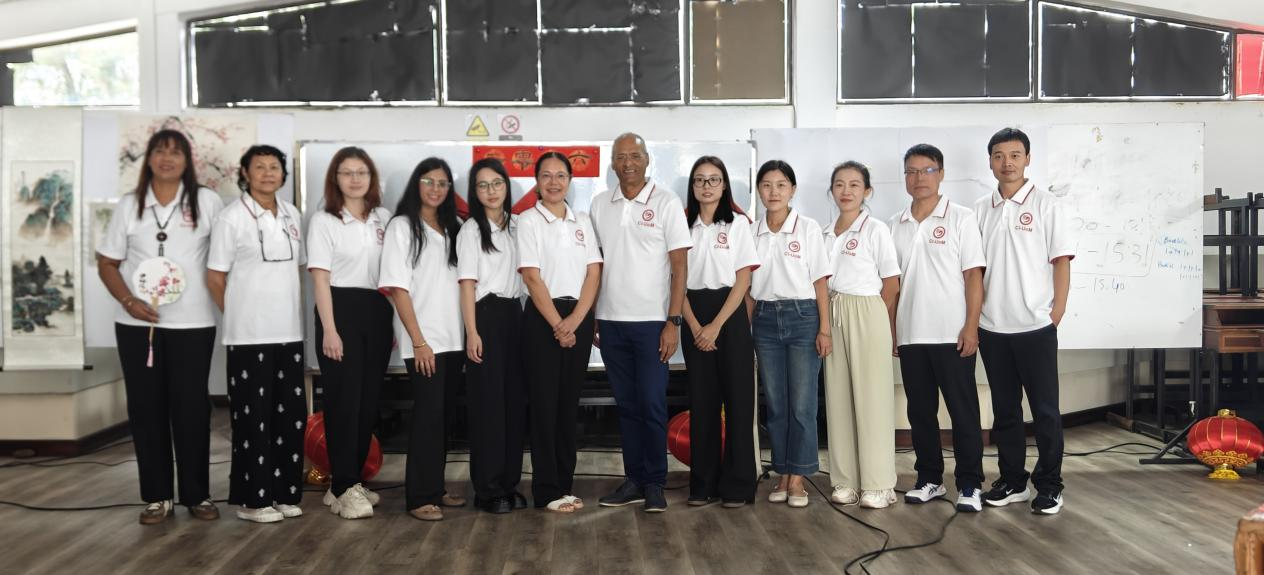
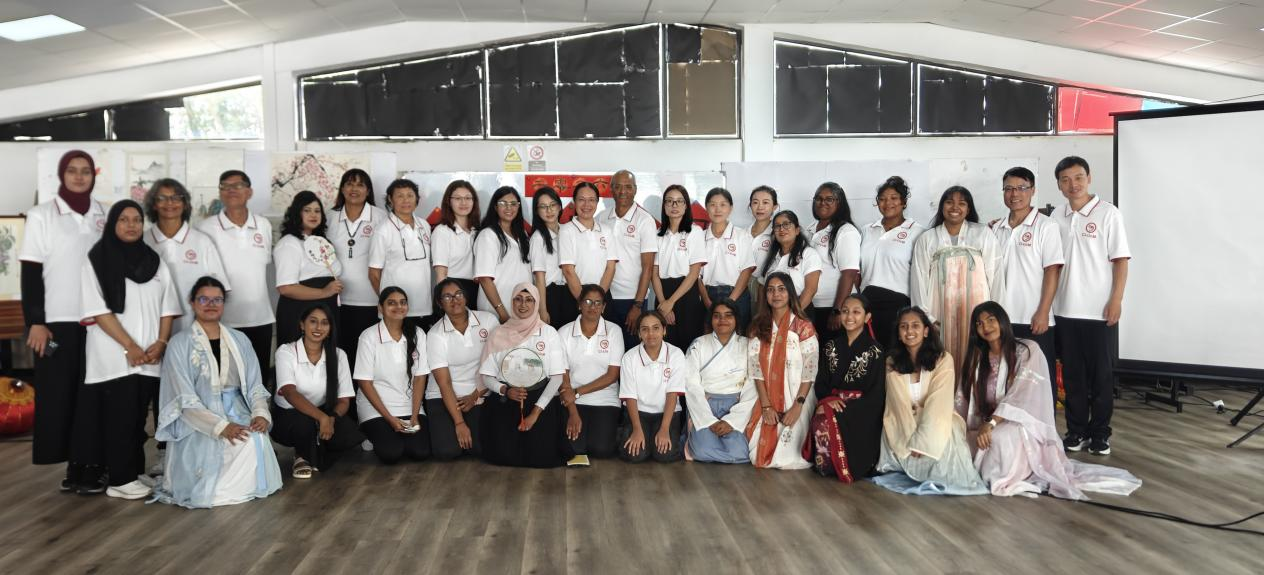
On April 17, Confucius Institute at the University of Mauritius successfully held the “International Chinese Language Day” event, featuring Chinese cultural exhibitions and a storytelling session. The event attracted numerous Chinese language enthusiasts, University staff and students, as well as members of the public, creating a lively atmosphere.
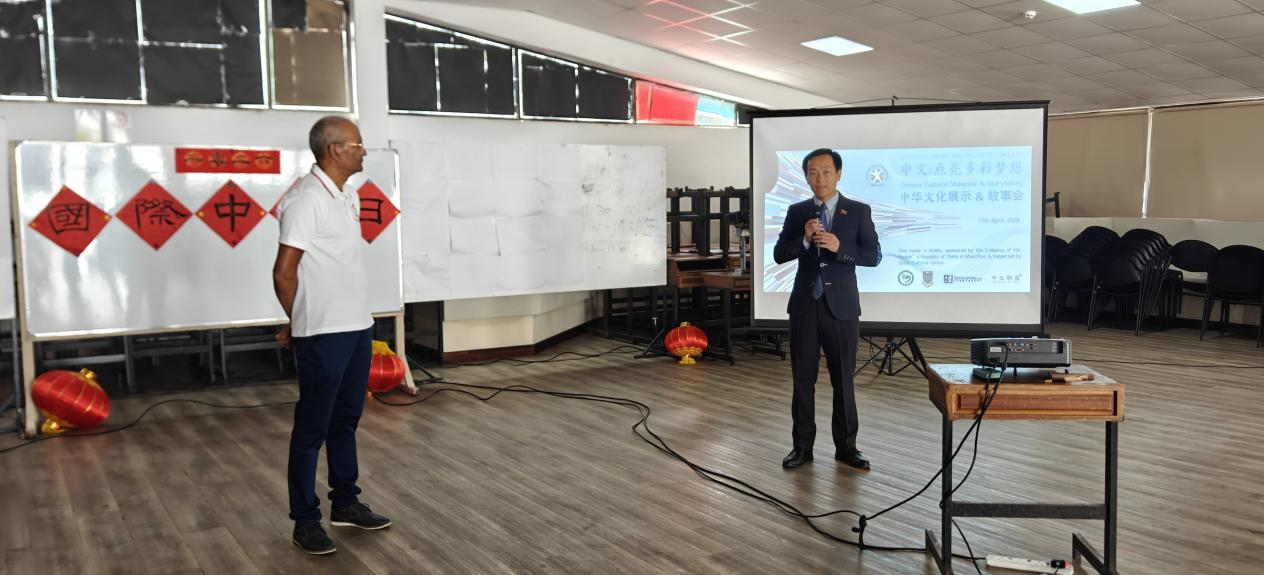
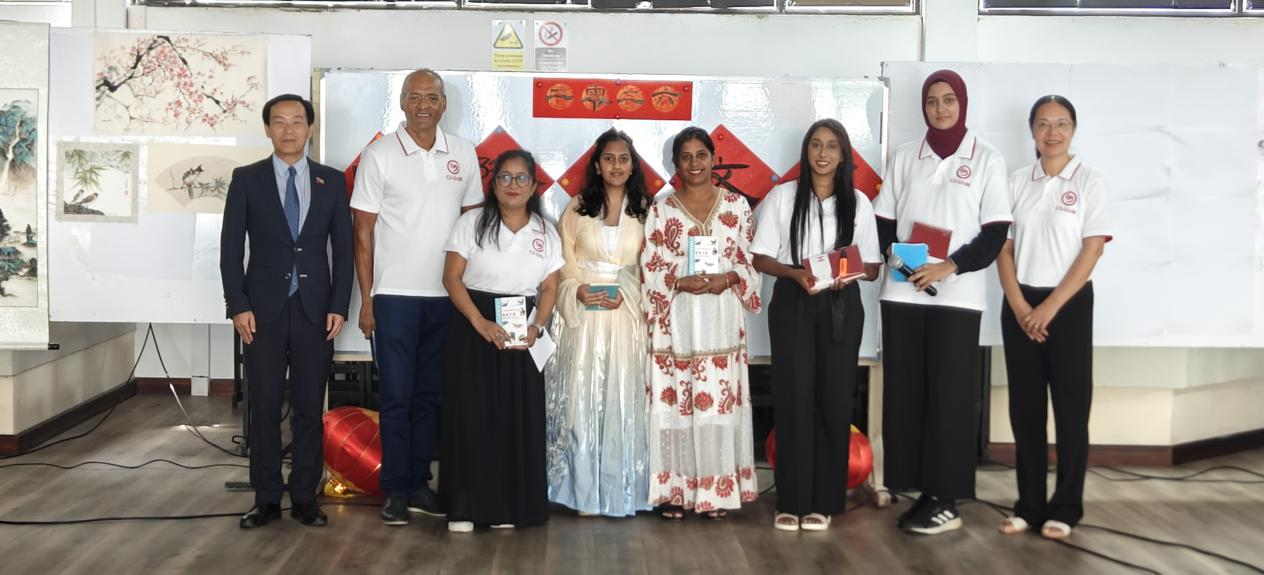
At the beginning of the event, the local director of the Confucius Institute, Mr. Naraindra Kistamah, warmly welcomed the guests and briefly introduced the programme, expressing his hopes for its success. Students from the Institute’s vocal class performed the classic Chinese folk song Jasmine Flower with clear and melodious voices, offering a warm musical welcome and showcasing the gentle beauty of Chinese culture. This was followed by a speech from Mr. Yang Jun, Cultural Counsellor of the Chinese Embassy, who highly praised the Confucius Institute’s contributions to Chinese language education and cultural exchange, and reaffirmed the Embassy’s continued support for China–Mauritius cultural cooperation. He then officially announced the start of the Chinese storytelling session.
Highlights
“Storytelling in Chinese” was the highlight of the event. Building on their regular language studies, students carefully prepared a series of stories, ranging from humorous to thought-provoking ones. With guidance from their teachers and dedicated practice, participants delivered vivid performances in fluent Chinese, presenting classics such as The Kitten Goes Fishing, Tang poems, The Foolish Old Man Removes the Mountains, Plugging One’s Ears While Stealing a Bell, Pulling Up Seedlings to Help Them Grow, The Cowherd and the Weaver Girl, Three Hundred Taels of Silver Buried Here, The Boy Who Cried Wolf, and The Tortoise and the Hare. Their performances reflected both their hard work and passion, becoming one of the most memorable highlights of the event.
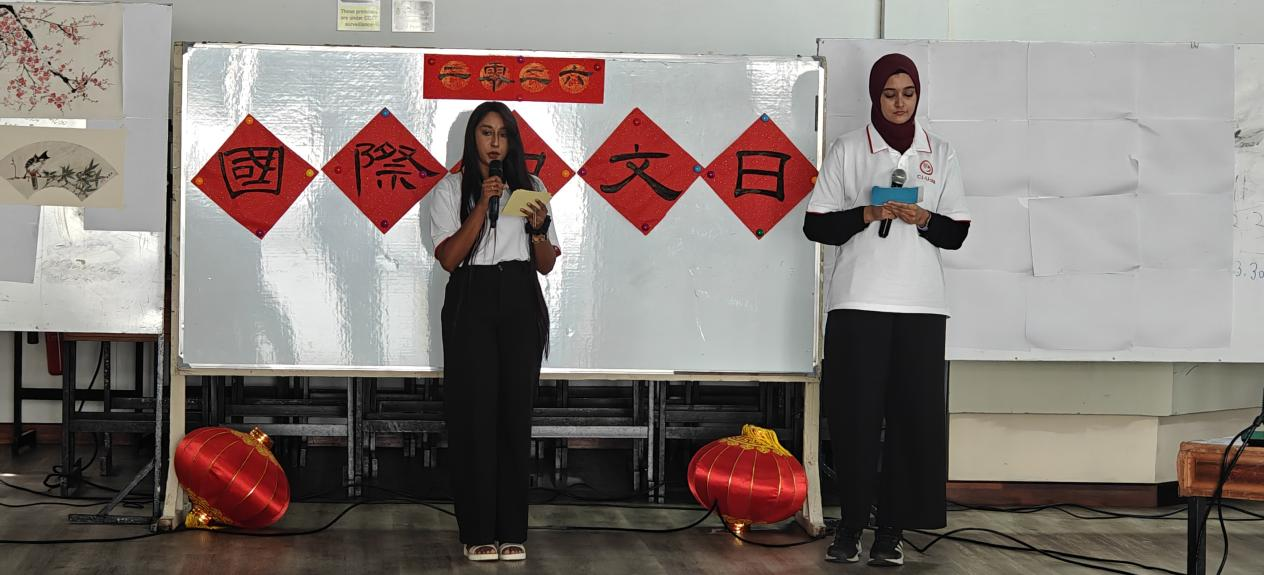
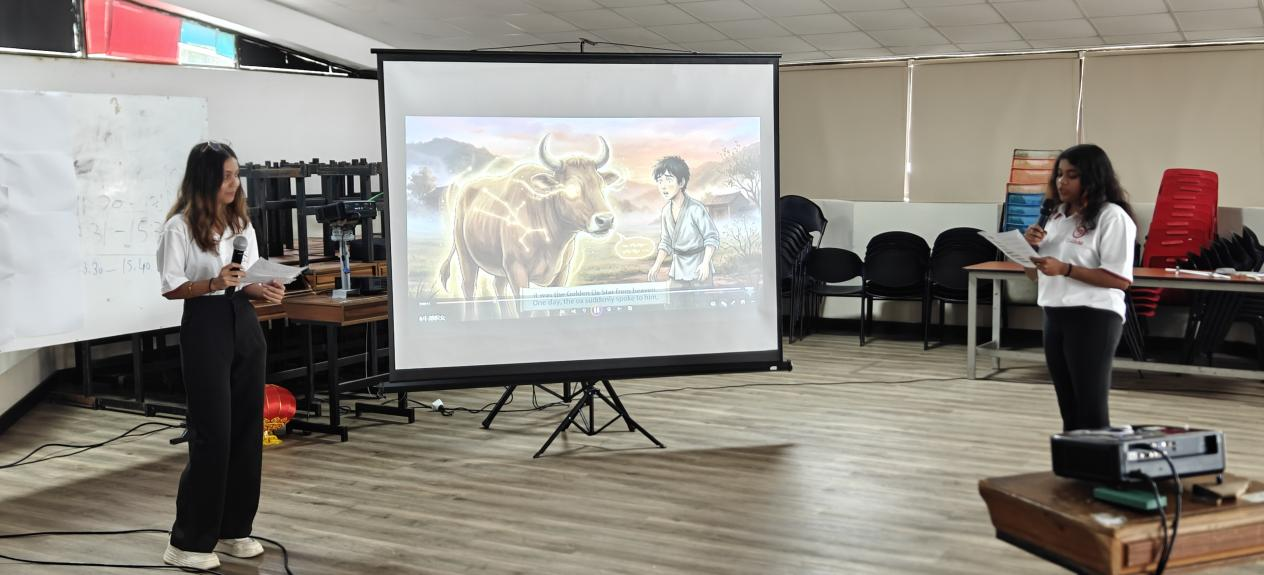
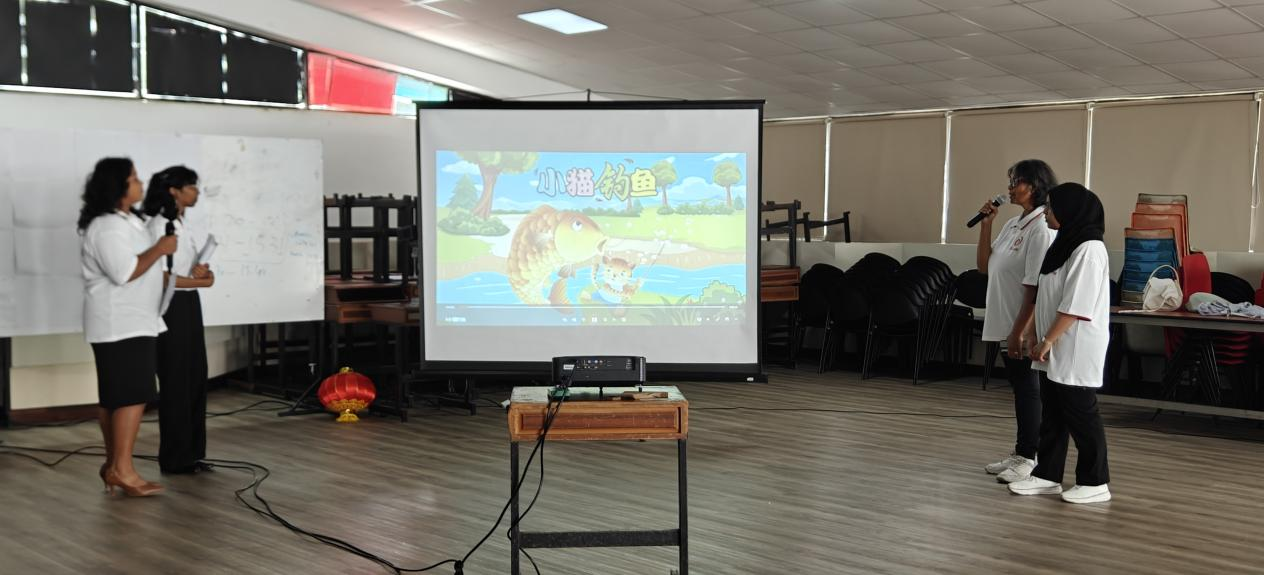
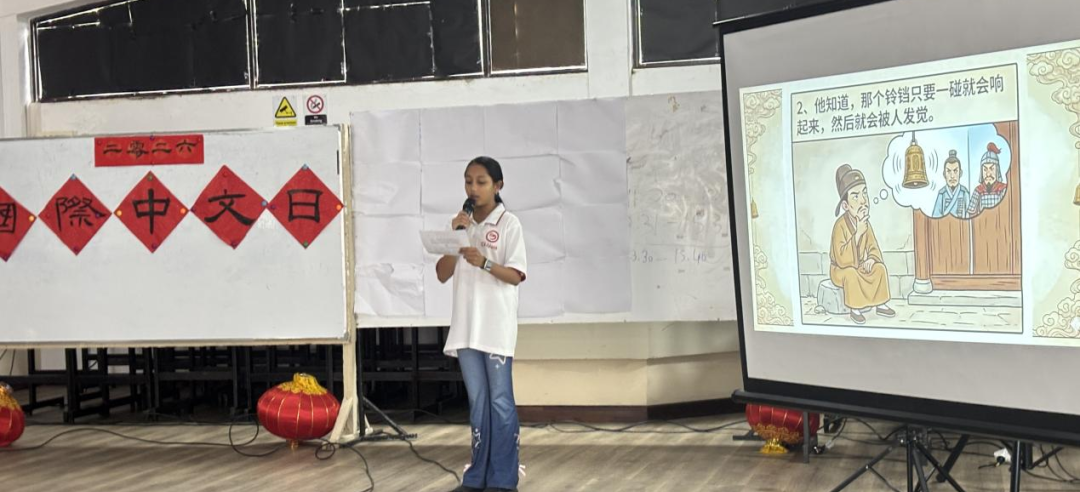
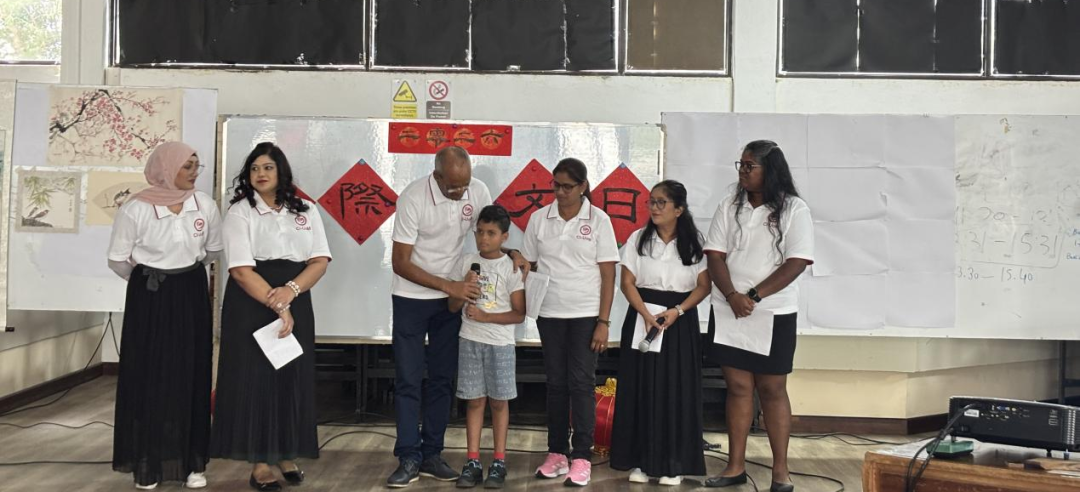
After each story, Mr. Kistamah engaged the audience with questions about the content, and the first person to answer correctly was awarded a small prize. The audience participated eagerly, while fun and applause filled the room. Mr. Yang Jun and the Chinese director of the Confucius Institute, Mrs. Yang Fang, then presented gifts to the students who participated in storytelling and interactive activities, recognizing their diligence and perseverance in learning Chinese. At the end of the session, Mrs. Yang Fang thanked both the participants and the teachers, praised the students’ sustained efforts, and encouraged them to continue progressing and contribute to cultural exchange between China and Mauritius in the future.
Cultural Experience
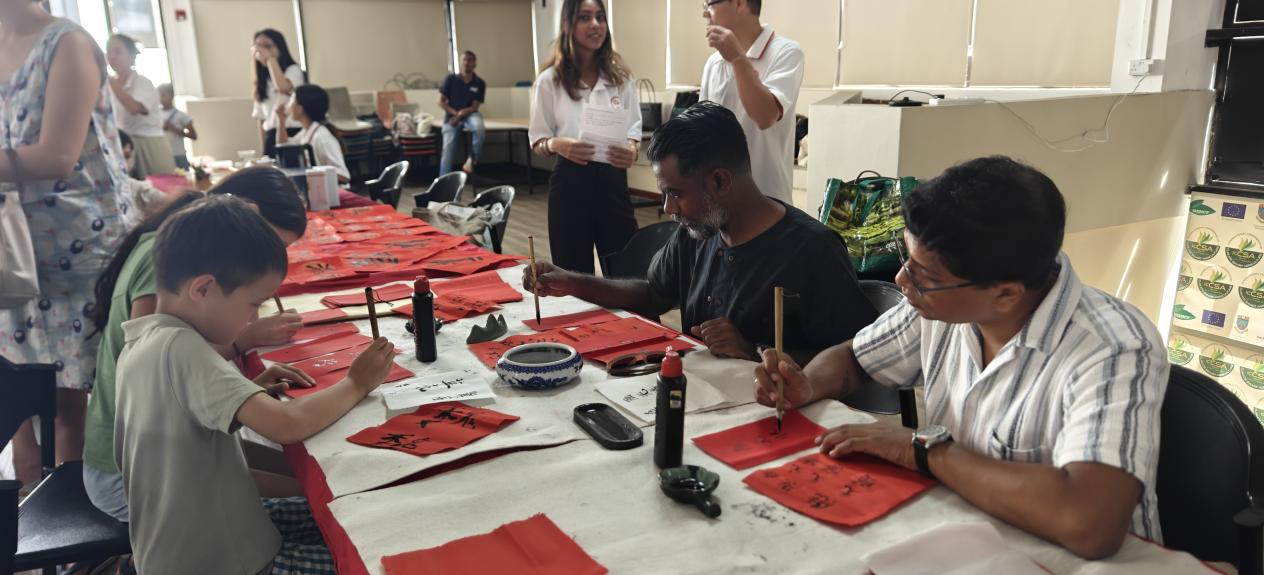
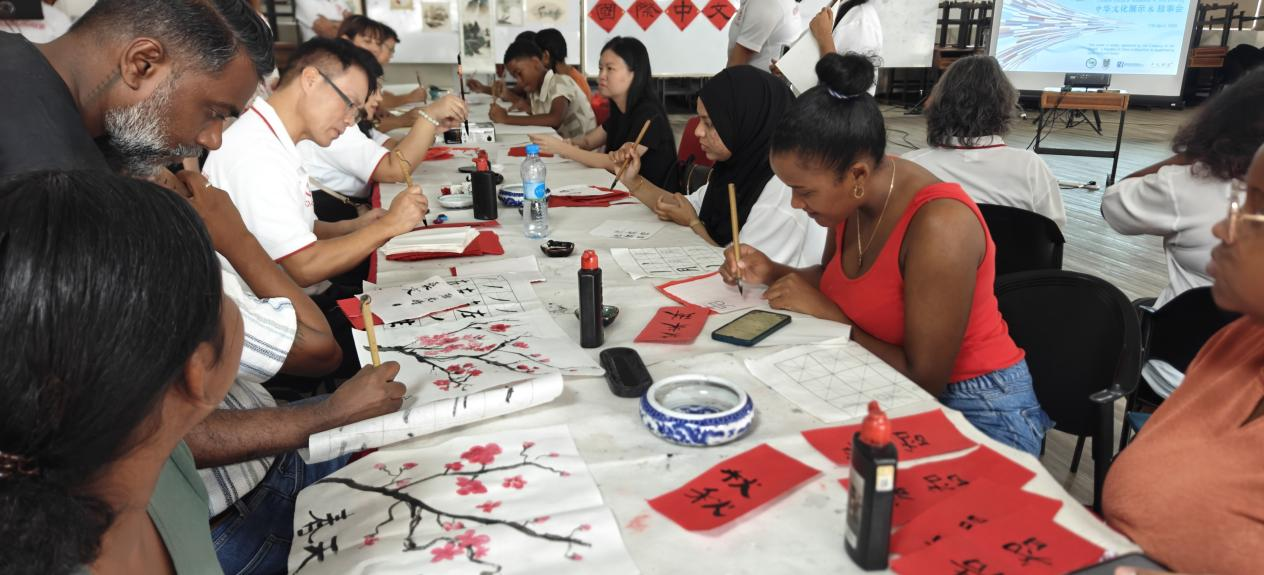
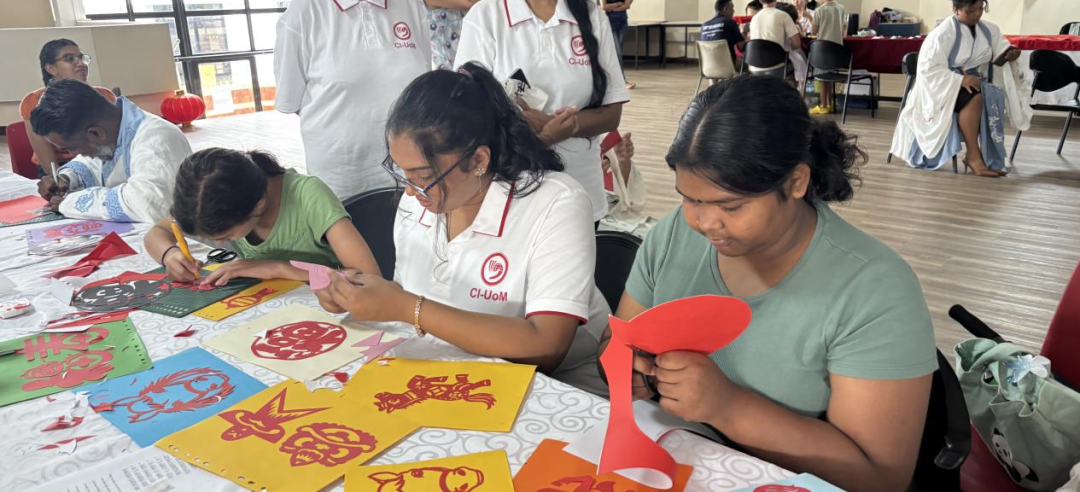
Cultural workshops were held in parallel with the storytelling session. Participants actively joined and confidently tried activities such as calligraphy, paper-cutting, and Chinese painting. With prior observation and warm-up, they engaged more skillfully, and the venue was filled with good cheers and joy.
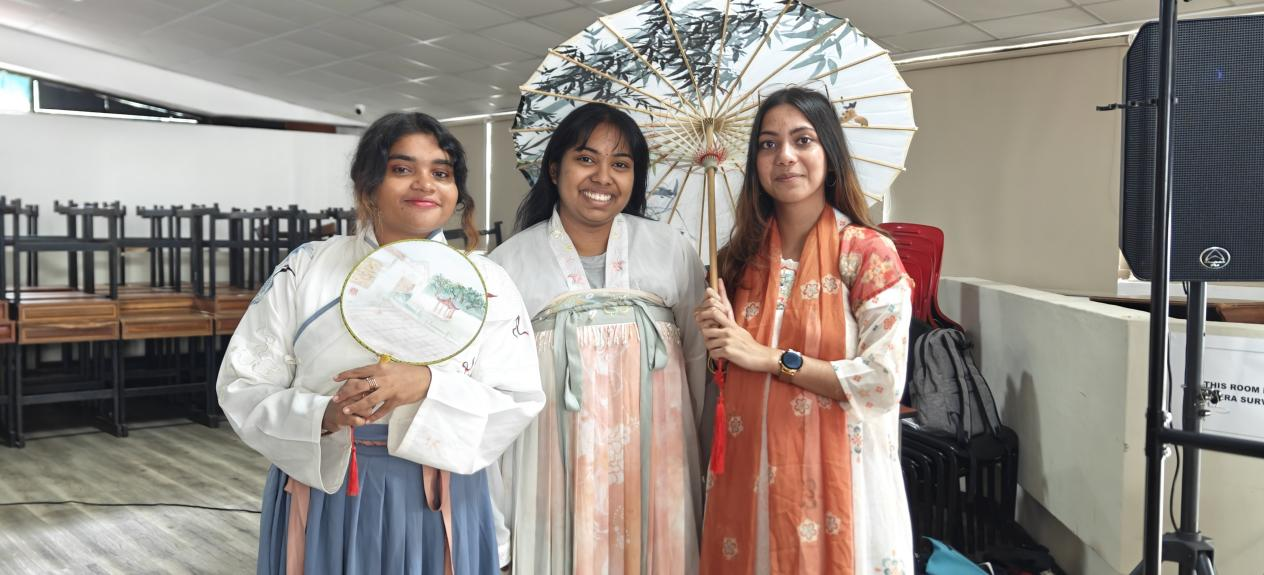
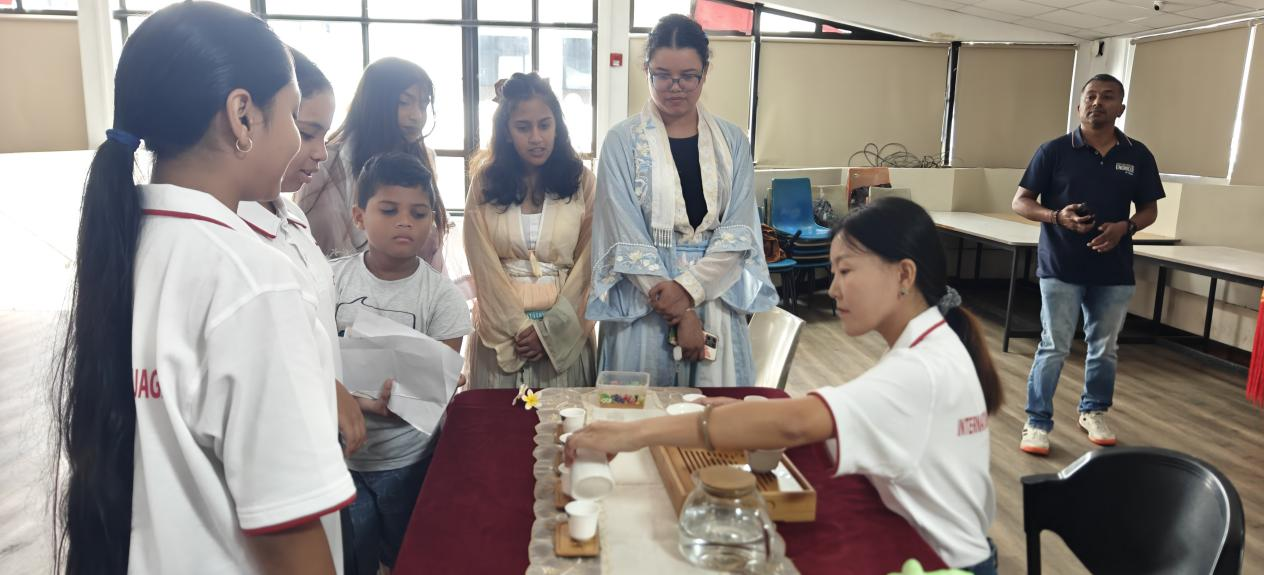
In the calligraphy area, the participants practiced writing Chinese characters with brush and ink under the teachers’ guidance. In the Chinese painting section, they explored traditional themes such as plum blossoms, orchids, bamboo, and chrysanthemums. In the paper-cutting area, they selected their favorite patterns and experienced the art through hands-on practice. In the tea art section, attendees learned to brew and appreciate tea, enjoying the calm elegance of Chinese tea culture. The Hanfu experience area also attracted long queues, with many eager to try on traditional clothing and take photos. The wearing of the Hanfu became one of the liveliest corner of the workshops.
This “International Chinese Language Day” event not only showcased the fruitful outcomes of Chinese language learning but also highlighted the students’ dedication and enthusiasm. From daily behind-the-scenes practice to confident performances on stage, the students demonstrated that passion is the best teacher and effort is the most powerful way to achieve success. Confucius Institute at the University of Mauritius will continue to promote Chinese language education, share Chinese stories, foster cultural exchange, and support learners in progressing further and more confidently on their journey of learning Chinese.